Elementary Teacher Interviews
Texas Third Grade Teacher, Diane Hubacz
Tennessee Second and Third Grade Teacher, Mary Pitner
Wisconsin Fourth Grade Teacher, Heather Mathews
North Carolina Third Grade Teacher, Amber Polk
Texas Third Grade Teacher, Lindsay Noren
Florida Second Grade Teacher, Kris Hughes
Virginia Fifth Grade Teacher, Mimi Hager
Alabama Fifth Grade Teacher, Linda Dunnavant
Illinois Fourth Grade Teacher, Kristin Kennedy
Delaware Third Grade Teacher, Krista Wallden
Indiana Third Grade Teacher, Christi Fultz
Missouri Second Grade Teacher, Sarah Moellering
Interview with Diane Hubacz, Reading Specialist
We recently had the chance to interview Diane Hubacz, a Texas reading specialist who, at the time of this interview, taught math, science and social studies to third-grade students. Diane has over 10 years of teaching experience, having also previously taught second and fourth grades. Diane attended Ohio State University, where she earned a bachelor’s degree in Early and Middle Childhood Education. For eleven years, Diane took a career break so that she could stay at home to raise her two sons, but during that time she remained active in the schools as a PTO and PTA President. She received a School Volunteer Recognition Award and Distinguished Friend of Education Award from the Connecticut Association of Schools for her volunteer efforts. During our interview, Diane detailed what an average teaching day is like for her and also articulated the most challenging and rewarding characteristics of her job.

Please describe what a typical day looks like for you.
It is important to me to start the day with solid lesson plans and to be as prepared as possible when the students arrive. I have created my own lesson plan template, which helps me to remember everything I need to do for each day of the week. Years ago, I attended time management training; I still use the techniques I learned then as the CEO of my classroom today.
As the students arrive, I greet them at the door. It is important to me to find connections and build a relationship of trust with each student. I spend a lot of time going over expectations for everything that we do in the classroom. I believe in positive behavior management and learning from our mistakes. Most of my lessons are designed to begin as whole group lessons. We then break into independent activities, which are differentiated to meet the needs of my students. This allows me to pull individual students or small groups to review or re-teach. Each year this changes a bit based upon the current group of students.
I have fifty minutes of planning time each day and most of it is devoted to team planning meetings. I love team planning as it keeps us all on track, allows us to evaluate what worked and what didn’t work, and share a variety of ideas. I work with a very experienced group of teachers and love learning from them.
Once the students leave for the day, I go through my list of ‘to dos’ for the next day, answer parent emails, prepare materials, tidy up, etc. I do most of my grading at home.
What aspects of your job are the most challenging and what do you do to overcome them?
The most challenging part of teaching is managing the ever-growing demands placed on educators. As with many businesses, teaching jobs are being eliminated and responsibilities are shifting. Teachers wear many hats and we are often asked to add one more. The key is to be adaptive and flexible while trying not to stress over things for which you have no control.
What do you most enjoy about being a teacher?
I most enjoy the children. They make me smile and warm my heart in the most satisfying way. There is nothing more important to me than making a difference in each of my students’ lives. I strive to help them do their best and get the most out of their year with me. I want them to be as well prepared as possible for their next level of education.
I find teaching to be a tremendously rewarding job. It is music to my ears to hear a former student tell me that I helped them succeed. That’s what it’s all about!
How do you create a successful home and work balance?
This is very difficult for me. I am very passionate about teaching and probably work too much. I’ve had to put time limits on myself, which I often break! Also, I often have to remind myself that even though my own children are in junior high and high school, they still need their mom at home. Therefore, I try to be organized and to work as hard and efficiently as I can while at school. If I bring schoolwork home, I do it only after I’ve met my family’s needs.
What advice can you give to recent graduates who are preparing to start a teaching career?
Keep in mind that the beginning of the year is tough for all teachers. It can be overwhelming, but this too shall pass. Whatever you do, don’t give up! It will get better and, before you know it, you will be in the groove.
It is important to have a good mentor when you start your first teaching job. I recommend following the lesson plans of a veteran teacher during your first year. Keep one copy (in calendar order) of every lesson and take notes religiously about what works for you and what doesn’t. In your second year, you can adapt or change lessons based upon what fits for you and your students. Don’t be afraid to discuss your ideas, as you will no doubt have wonderful things to share.
Be a good team member. Always share when you have something that works for you. Offer to help when needed. Take care of your team responsibilities. When things go wrong, take the high road. Everyone has a bad day once in a while.
Finally, work to develop an educational partnership with the parents of your students. Send a weekly newsletter or create a classroom blog to keep the parents informed of what is happening in your classroom. If you have a website, keep it up-to-date. It is important to remember that you are a community role model. Always be professional.
We sincerely thank Diane for setting aside time to share her enthusiastic and candid advice. Visit her LinkedIn for more insight into her career path.
Read about how to become a teacher in Texas.
Interview with Mary Pitner, Tennessee Second and Third Grade Teacher (Retired)
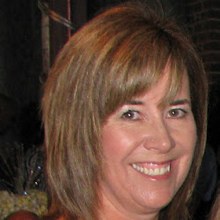
We talked to Mary Pitner, a second and third grade teacher with 30 years of experience as an educator. Mary attended the University of Tennessee and Middle Tennessee State University, where she earned a Bachelor of Science (BS) in Elementary Education. She continued her studies at Middle Tennessee State University, earning a Master of Education (MSEd) degree in Curriculum and Instruction, and an Education Specialist (EdS) degree in Administration and Supervision. During her extensive career, Mary has taught all grades between kindergarten and fifth. For nine years, she served as the Supervisor of Curriculum and Student Management in her district. With retirement nearing, Mary came to the conclusion that she would like to retire from a school, because of its community feel. As a result, she asked to return to the classroom, a move that she says she’s never regretted. During our interview, we discussed the advantages of a looping classroom, what Mary finds special about second and third graders, and finally, the lessons she knows today that she wishes she knew as a beginning teacher.
You are currently teaching in the second grade year of a second and third grade looping classroom. What characteristics of these age groups do you appreciate the most?
I love the enthusiasm and curiosity of second and third graders. Most of my students still believe they can do anything they want to do, so all I have to do is build on their certainty!
What do you enjoy most about being a looping teacher? What are the advantages of this approach to teaching?
The best advantage of being in a looping classroom is the relationship you develop with your students over the two years. I am able to see my students grow in ways I couldn’t if I only spent one year with them. The beginning of the second year of looping is a much easier transition for both teachers and students.
I think the biggest strength of looping is that I already know my students at the beginning of the second year. I’m able to hit the ground running with them instead of trying to determine what they already know. We are comfortable with each other. I know their learning styles and how to help them best.
Can you share any techniques that you use to create a harmonious work and life balance?
With all the changes in education we are going through, it is too easy to spend all your waking hours on schoolwork. Although our official time for teachers to leave is 2:45 p.m., I found I was staying most nights until 5:30 p.m. or later. Since both my children are in college, it was easy to do, but it was wearing me down! I’ve started setting a timer after school for fifteen-minute increments. I will work on one thing on my to-do list for fifteen minutes, then switch to another item for another fifteen minutes. Now I work by my timer until 4:00 or 4:30 p.m. I still bring work home with me, but I’ve found that working to a timer has reduced the amount I have to bring home. I usually spend part of the day on either Saturday or Sunday at school, but I’m trying to cut that back, too. I don’t know any other profession where people work so many extra hours!
How do you use technology as a tool for learning in your classroom?
Technology is one of my stations for both literacy and math each day. All students get thirty minutes of computer time for skills practice each day. I’ve learned to work it into the schedule or it gets overlooked. All of our classrooms have a Promethean Board, so that’s a vital part of lessons every day. My students use it to explain work, to play skills games, and to share information. My students also use our computers to look up information.
What do you know today that you wish you had known during your first year of teaching?
I wish I had known to let go of things that are out of my control. Because of my experience in the district office as a supervisor, I realize that some of the mandates handed down to schools and classrooms are beyond their control. If I am required to do something by the district or State Department that I might not agree with, I know now to make the best of it and see how I can make it work the best way I can for my students. I spent a lot of time worrying about things I couldn’t change.
We sincerely thank Mary for taking the time to share the wisdom she has gleaned during her extensive teaching and supervisory career. Visit Mary’s LinkedIn to learn more about her career.
Read about how to become a teacher in Tennessee.
Interview with Heather Mathews, Wisconsin Fourth Grade Teacher
Heather Mathews, a fourth grade teacher from Wisconsin, graciously took the time to talk with us about life in the elementary school classroom. After four years of teaching first graders, she decided to challenge herself by transitioning to the fourth grade classroom. Heather initially worked as a graphic designer, but eventually realized that she wanted to do something more fulfilling such as teaching. Despite being a busy mother, she returned to Augsburg College, where she earned a bachelor’s degree in education. She later attended St. Mary’s University, earning a master’s degree in education. During the interview, we discussed Heather’s words of wisdom for new teachers, how she balances classroom and home expectations, and how she prepares her students for the big changes that will come after they leave her classroom.

What do you know today that you wish you knew during your first year of teaching? Can you share any advice with those new to the profession?
Teaching, for me, has been a constant cycle of change. I have never had an idle year when the motor just hummed away in neutral. Teaching continues to be full of learning for me. I love that I am stretched in many different ways; it makes me a better teacher. The best advice I could give any new teacher is to be flexible and be willing to roll with the inevitable change. Also, be willing to do what your administrators ask you to do and be willing to think outside the box when they do!
You’re a busy mother and teacher. What techniques do you use to create a harmonious work and life balance?
Balance is always the toughest part of the equation. I wish I could say that I have learned how to have it all, being a wife and mother, a teacher and a blogger. But I can’t. Scheduling has always been tough for me. I’m a fly-by-the-seat-of-your-pants kind of girl. I have found that I really need to have a written plan each week to figure out when I can get work done. There is always a giant pile of laundry to do, events to carpool to, and sports events to attend. I typically work in my classroom for 30 – 60 minutes every night and put in a half to full day on Sundays. I try to blog and work on Teachers Pay Teachers products on Friday nights and Saturdays. I guess I’ve finally gotten it into my head that I really can’t have it all, so I need to do the best that I can with the time I have.
How do you incorporate technology into your classroom activities?
I try to use as much technology as I can in the classroom. We use Edmodo as a class, which is fantastic for dialogue. I use Edmodo to communicate with parents, which I feel is well-suited for quick messages and alerts, as well as posting assignments and photos.
We create Wordles and use virtual post-its to collect ideas. I have used iPod Shuffles for listening to reading, and iTouches for handwriting practice, working with words and creating videos. This year I use my iPad pretty heavily to capture student learning and growth with photos and videos. We also watch a lot of short video clips, such as front-loading a math lesson with something from Khan Academy or an Electric Company clip for vowel sound review.
How do you prepare your fourth graders for the big transitions that are just around the corner in middle school?
Fourth grade is a really tough year, curriculum and expectation-wise. I can’t say that it’s any tougher than the curriculum in first grade, but the pressure to succeed feels much stronger. The Common Core State Standards have really helped set parameters for what our kiddos have to be secure in before the end of the year. One of the most important things I teach my fourth graders doesn’t have a lot to do with standards or tests, though. I work with the kids daily to be responsible for their own learning. I teach them organization skills by using a planner and teach them responsibility by showing them how to find answers to their questions by using reference materials. Finally, I nurture the seed that learning will only take them as far as they can carry it. These are not skills that everyone is born with.
We sincerely thank Heather for sharing her insights into being a fourth grade teacher.
Read about how to become a teacher in Wisconsin.
Interview with Amber Polk, North Carolina Third Grade Teacher
Recently, Amber Polk, a third-grade teacher in North Carolina, kindly set aside time from her hectic schedule to talk about her five years working as a teacher. Amber attended North Greenville University, where she earned a Bachelor of Arts in Early Childhood Education. Though she’s now teaching third grade, she previously taught in a fifth-grade classroom. During the interview, we discussed how Amber integrates the content areas with math and reading. Amber also shared her preferred online classroom management tools, and finally, she talked about how she balances her home and classroom lives.

On your site, Adventures of a Third-Grade Teacher, you mention that you most enjoy teaching the content areas, and then integrating them with math and reading. Can you share any pointers for how to successfully accomplish this?
I have always enjoyed teaching science and social studies (even if they aren’t state tested)! In K-2, it’s so much easier to integrate the subjects, but it’s something about the upper elementary mindset that makes this hard. One easy way to integrate the content areas into your reading instruction is to use content-based books in your guided reading groups. With most states teaching from the Common Core Curriculum, there is a big push to teach more nonfiction, so using content-based books is a great way to accomplish this! I also really love using lapbooks and foldables in the content areas! The students think they are so much fun!
What online tools have you found to be the most helpful for managing your classroom?
I pretty much live on my computer! One of my favorite tools is Planbook.com. I have always used the computer to write my lesson plans. Last year I started using Planbook.com to write all my plans. It is a subscription site, but I swear by it! It’s easy to adjust your plans, plus it is very easy to insert your standards.
I am also a member of ReadingA-Z.com. It is a must for guided reading! Guided reading has been a weakness of mine in the past, but this site makes it so much easier to differentiate in the classroom.
Also, I recently started using ClassDojo.com as a management tool. You can use the site for individual students, but I have been using it to reward my table groups! Each group has a special monster Avatar and they receive points for positive actions and are deducted points for not-so-positive actions.
I use lots of group work in my classroom and I love using the free timers and selector tools at Online-Stopwatch.com.
How do you use technology as a tool for learning in your classroom?
I love using technology in the classroom! I make a sincere effort to use technology as a tool to teach the curriculum, instead of using technology ‘for the sake of using technology’. The key is to choose two to three versatile sites or programs that you can teach your students to use really well.
I have a few favorite websites that are easy to implement in just about any classroom. Fan.school is a must for me! I use it at least once a week with my students. Not only do they love having a classroom blog, but it’s a great way for them to show what they know about any subject! Another one of my new discoveries is LittleBirdTales.com. It is a great multimedia site where students create multimedia videos. It’s super easy to use and adorable!
Do you have any advice for teachers who are thinking about starting a blog?
My teaching style has really changed since I started reading blogs and blogging myself! There are so many great teachers out there and I encourage anyone with fun, fresh and meaningful ideas to try blogging! It is a reflective practice and it really makes you an even better teacher.
If you want to start a successful blog, the key is to be sincere! Share your ups and downs. Be real! You also have to make sure that your posts are of substance. Share new ideas, pictures of your teaching in action, freebies you have created, or resources you find!
I think the number one mistake new bloggers make is worrying about gaining big numbers. Everybody wants to have a huge following, but if you are posting meaningful ideas, you’ll get those big numbers!
How do you find time to meet your teaching and personal responsibilities, and also regularly complete blog posts?
Blogging has truly changed my life! I have a great support system from other bloggers and readers and I genuinely enjoy helping other teachers. Blogging does take up a big amount of my time though!
I really try to make sure I blog about my teaching because it makes me more reflective about my teaching. What went well? What didn’t go so well? How can I make my next lesson or unit better?
I try to post two to three times a week, but my students and responsibilities at school and home come first! I know (or hope) my readers will still be there even if I don’t have as much time to post.
Can you share any words of wisdom for creating a harmonious work – life balance?
I am still at the point in my life where my career is one of the most important things. Several of the teachers at my school like to tell me that things will change once I have children! I spend a lot of my time working on teaching-related things, but I still make time to spend with my friends and family. I make sure that I designate one to two weeknights where I leave my teacher bag at school!
We wholeheartedly thank Amber for taking the time to share her thoughts about being a teacher.
Read about how to become a teacher in North Carolina.
Interview with Lindsay Noren, Texas Third Grade Teacher
We recently had the opportunity to interview Lindsay Noren, a third grade teacher in Houston, Texas, who has been teaching for four years. Lindsay earned a Bachelor of Science in Elementary Education at Saginaw Valley State University and a Master of Education in Reading and Language Arts at the University of Houston. During our interview, we discussed the traits of third graders that she appreciates the most, her recommendations for teachers who are thinking of launching into the blogosphere, and strategies she uses to create a healthy balance between home and the classroom.

On your site, My Life as a Third Grade Teacher, you mention that you previously taught fifth grade and that you’re now teaching in your ‘dream’ grade – third. What characteristics of third graders do you appreciate the most? What makes them unique?
What I love about third graders is that they are so motivated to learn and they love school! They still really want to please their teachers, which makes daily life in the classroom easier. I appreciate their curiosity and natural zest for knowledge. When I worked with fifth graders, they were different because they were much more skeptical of teachers and school. It took a lot more work on my part to make them interested in my lessons.
What techniques do you use to create a harmonious work and life balance?
With the exception of the first few weeks of school, I try to refuse bringing work home with me. This ensures that when I’m at home, I can do whatever I want! Once things start to settle in at school, I find ways to grade, plan, and prepare for future lessons before school, during my planning period, or after school. This strategy really helps me to enjoy my weekends because they are work-free! I love teaching but it is one tough job! If I were to let it, it would totally take over all aspects of my life.
How do you use technology as a tool for learning in your classroom?
I use technology all the time to deliver instruction. I also allow my students to use computers to access quality websites and programs for literacy. I love to let them listen to stories on the computer so that they are receiving a quality model for fluent reading. I am about to introduce an iPad into my classroom, which should be very exciting for my students to use.
Was there a particular person or experience that inspired you to become a teacher?
For as long as I remember, I wanted to become a teacher. I can vividly remember playing school by myself for hours upon hours. I love everything about school – mostly because I am a lifelong learner myself. Having great teachers growing up also helped solidify my career choice.
What advice do you have for teachers considering starting a blog? Are there any essential components or features?
If you want to have a blog, particularly a widely-read blog, be prepared to put in the time and effort. I sometimes struggle when balancing work, grad school, life, and my blog! If I have spare time on the weekends, I will write a few posts for the week and schedule when they are posted to my blog so that during the week I don’t have to worry about it.
There are so many teaching blogs that are out there right now so make sure you have a unique perspective or something to offer potential readers. The most crucial thing is to blog about your own experiences and strengths. Don’t try to write about something you are unfamiliar with. Stick with what you know and the readers will eventually come!
What advice can you share with individuals who are considering becoming teachers?
Be prepared to work a lot! This is a great job to have but there is always something else to be done. Working with kids is an awesome gift and will definitely be the best part of your job.
We thank Lindsay for taking the time to talk with us and wish her a successful year in the classroom!
Interview with Kris Hughes, Former Florida Second Grade Teacher
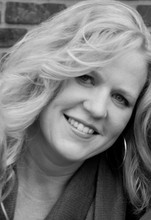
We caught up with Kris Hughes, a second grade teacher in Florida at the time of this interview who is now Principal at Calvary Christian Academy North in Fort Lauderdale. Kris has been teaching for more than 20 years. Kris earned a B.S. degree in elementary education at Palm Beach Atlantic University with a specialization in specific learning disabilities. In addition to teaching second grade, Kris has also taught in third, fourth and fifth grades. During our interview, Kris shared her words of wisdom for teachers who are thinking about starting a professional blog, as well as what she knows now that she wishes she knew as a first-year teacher.
What aspects of being a second-grade teacher do you find to be the most enjoyable?
One of my favorite things about second graders are the hugs. Second graders are so loveable! But beyond their sweetness, I love the huge growth that takes place at this age level. It’s so fulfilling to see them enter my classroom as first-grade ‘babies’ and leave ready for upper elementary.
Balancing a teaching career and busy family life can be challenging. What stress management techniques have you found to be useful?
The most important stress management tool for me is prioritizing. For me, it’s God, family, then teaching. When that order gets changed stress is sure to follow.
Was there a particular person or experience that inspired you to become a teacher?
There really wasn’t a particular moment or person that inspired me initially to be a teacher. I knew I wanted to be a teacher by the age of five. My younger siblings quickly learned of my desire to be a teacher because they became my live-in students! This innate love of teaching caused me to watch my teachers and glean anything I could from them all through grade school and at the university level.
Can you recommend strategies or techniques for teachers who are striving to be ‘lifelong learners’?
I believe it’s important to never get stagnant and not teach the way we’ve always taught just because it’s familiar and easy. As a result, I’m always looking for ways to learn new techniques and gather fresh ideas for my classroom. I read professional journals in print and online. I always volunteer for professional trainings as my school offers them. I also subscribe to all of the teaching blog gurus out there, because they are they ones in the trenches from whom I can learn the most.
What words of wisdom can you share with teachers who are thinking about starting a professional blog? Are there any essential components or features that should be included on a blog?
One important thing to remember when starting a blog is not to compare yourself to other teachers out there. We can quickly feel inadequate when we see all of the amazing ideas and units that other teachers are authoring. Once you realize that we all have different gifts, you can share from your heart. The best way to be successful at blogging is to just share what works in your classroom. Sometimes the simplest things we do in our classrooms can be just the tip or tool another teacher was seeking.
What do you know now that you wish you knew during your first year of teaching?
I wish I knew then…that I didn’t know it all – because I thought I did. I also wasn’t as in-tune to my students in those days. It was more about the cute activity and fun bulletin boards. I thought those things made me a good teacher. Now I know that the best bulletin boards in the world don’t make a difference if I’m not meeting the needs of my students.
We sincerely thank Kris for taking the time to share the wisdom she’s gleaned from the classroom. You can learn more about her experience on her LinkedIn.
Read about how to become a teacher in Florida.
Interview with Mimi Hager, Virginia Fifth Grade Teacher
Fifth grade teacher Mimi Hager talked with us about her experiences as an educator in Newport News, Virginia. Mimi’s been in the classroom for the past 15 years, not only teaching fifth grade, but also second and fourth grades. She earned both her undergraduate and graduate degrees at Radford University, studying interdisciplinary studies and educational leadership. During our conversation, we discussed why she enjoys working with fifth graders and how she empowers them for the big transitions that are just around the corner.

What do you like most about teaching fifth graders?
Fifth graders are neat. I appreciate their humor and their love of learning. They are independent for the most part and produce some amazing work. They still have an innocence about them, but can take on a lot of responsibility. Fifth grade is a big transitional year. Students are figuring out who they are, and really developing their personalities and study skills. They make me laugh and surprise me every day!
Was there a particular person or experience that inspired you to become a teacher?
I come from a long line of educators, from college professors to elementary school teachers. I grew up helping my mom in her classroom and it just came naturally.
What techniques do you use to create a harmonious work and life balance?
I work hard and play hard. I give so much of my life to work that I have to have ‘me time’ too! During the week, I am all school; on the weekends, I am all real life. What isn’t done on Friday, stays undone until Monday morning. I also utilize my DVR so that I don’t feel left out of the television world!
How do you use technology as a tool for learning in the classroom?
Technology is such an important part of developing a twenty-first-century learner. Unless I am teaching an anchor lesson, the computers are always being used in my classroom for projects, papers, research, typing, and games. We use the Smartboard for interactive lessons and Smart response for quizzes and formative assessments. Nooks are used for silent reading and small group lessons.
What advice would you share with teachers who are considering starting their own blogs?
Start one right away and write from the heart! Blogging has changed my life as a teacher. The blogging community is amazing and inspiring! Share your ideas and other’s ideas (with their permission of course). Make sure you include a blog button so that other people can add your blog to theirs. Link up with other blogs, comment on other blogs, and let people know you are out there. Make sure you have Pinterest, Facebook, and X.com all linked to your blog as well. Create things that people will want to use in their classrooms and share them for free via Google Docs, Teachers Pay Teachers, or Teacher’s Notebook. If you don’t know where to start, watch tutorials on YouTube on how to get started.
How do you prepare and empower fifth graders for the significant transitions that are just around the corner in middle school and beyond?
I create strong relationships with my students. Once I have the relationship piece, the rest of their learning falls into place. I make sure that my students have self-confidence. The ongoing theme in my classroom is, ‘Life is what you make of it and only you control you!’ We have fun and we motivate each other. I share many different organization and study strategies throughout the year. I also make sure that children know what kind of learners they are and how they study best.
We thank Mimi for taking the time to share her advice and the wisdom gleaned from 15 years in the classroom. Check out her blog, 5th Grade Rocks, 5th Grade Rules for more teaching ideas.
Read about how to become a teacher in Virginia.
Interview with Linda Dunnavant, Adjunct Instructor, Former Alabama Fifth Grade Teacher
We had the opportunity to catch up with Linda Dunnavant, who is currently an adjunct instructor supervising secondary education student teachers. At the time of our interview, Linda was a fifth-grade teacher. Following her undergraduate studies, Linda discovered that it was her true calling to become a classroom teacher. She returned to school and earned a master’s degree at the University of Memphis in elementary education. During our interview, we discussed Linda’s advice for teachers considering starting a blog, her favorite technological tools, and how she prepares fifth graders for the significant transitions ahead of them.

What makes fifth graders unique?
There is never a dull moment teaching this quirky and inquisitive age group! I feel like fifth grade is the bridge between kids wanting to stay kids, and kids wanting to become teenagers. Fifth graders also seem to be at that age where they are figuring out who they are, what they like, and what interests them. As a teacher, I feel it is my job to encourage students’ creativity and curiosity. Students ask me questions every day that I don’t know the answer to. I will say, “Why don’t you go look that up and share what you find with the class?” As a fifth-grade teacher, I learn new things every day! Fifth graders are also capable of handling increased responsibilities. I love giving open-ended projects and assignments for students to complete. I have found that if fifth graders are engaged and motivated, they will amaze you with what they are able to accomplish.
You’re a busy teacher, wife and mother. What techniques do you use to create a harmonious work and life balance?
Get out of the building! During my first year teaching, I was devastated that I didn’t have a key to my classroom. I wanted to spend all my time making things perfect for my students. However, my school closed at around 04:00 P.M. every day, and when the school closed I had to leave. As time went on, I realized what a blessing this was. Staying after school for hours on end does not make you a better teacher. I learned how to close my door and get everything done during my planning period. I also started planning with my grade level teammates once a week. Why should every teacher in a grade level make his or her own plans? Collaborative planning is amazing because you are able to capitalize on everyone’s strengths and plan better lessons together than you ever could on your own!
I also think that it is crucial that teachers (especially new teachers) ask for help from their colleagues. These can be face-to-face colleagues or people that you know from blogs and social media such as X.com or Facebook. I tried to do it all my first year teaching. I felt like I had to create every lesson and activity from scratch. I spent an incredible amount of time on things that, in hindsight, really weren’t that important. Will your students notice that cute font that you spent hours looking for to match the theme of your activity? Probably not. Will your family notice that you spent all weekend on the computer working on lesson plans? Absolutely. That being said, I think it is important to plan innovative and relevant lessons for your students. Instead of trying to create everything yourself, collaborate with your teammates at school and reach out to your blogger and social media friends. Chances are that someone has already created materials for the lesson you’re working on!
How do you use technology as a tool for learning in your classroom?
I think that it is our job to make sure that our students feel comfortable using technology to communicate and learn. I created a classroom blog and website to communicate to students and parents what was going on in the classroom. I also gave students the opportunity to contribute to our class blog. When I go back into the classroom, I’d like to try using a platform such as Fan.school so that each student has the opportunity to share their work with a broader audience. It is important to put the technology in the hands of the students. In a perfect world, each student would have a laptop in the classroom. However, the reality is that many of us are teaching in underfunded schools. Be creative with how you use your classroom computers. I also like to make sure my students have access to digital cameras, video cameras, and voice recording software when they are doing projects in the classroom. Tests have their place, but I think it is important to let students show what they’ve learned in a variety of ways. One great way to get the things you need for your classroom is to post projects on DonorsChoose.org.
Was there a particular person or experience that inspired you to become a teacher?
I think somewhere in the back of my mind, I always knew I wanted to be a teacher. It took me a while to get to that point, however! I attended Rhodes College, a small liberal arts college in Memphis, Tennessee. While I was there I had no idea what I wanted to ‘be when I grew up.’ After graduation, I got a job working for Lindamood-Bell Learning Processes. My experiences there definitely awakened my desire to become a teacher. During those two years, I worked with students with autism and learning disabilities. I loved working with the students, and it was thrilling for me to witness ‘light bulb’ moments when a student would suddenly grasp a concept. One day I woke up and realized that my true calling was to be a classroom teacher, so I decided to pursue a master’s degree in elementary education at the University of Memphis.
Also, I have to credit my own fifth-grade teacher, Mrs. Chambliss, with inspiring me to want to become a teacher. I remember how kind she was and how special she made me feel.
Can you share any words of wisdom for teachers who are thinking about starting a blog? What essential components or features should be included on a blog?
Just do it! I started a blog two summers ago, and I had absolutely no idea what I was doing. Start by looking at other teaching blogs to get an idea of what all is out there. Make sure you do a Google search to be sure that the blog title you are considering isn’t already in use. Also, begin keeping a log of ideas that you’d like to blog about. I recommend using Blogger.com because it is very user-friendly. If you are planning on becoming a serious blogger, I think it is worth it to get a one-of-a-kind blog design. There are some great blog designers out there that have reasonable prices. If you are at all tech savvy (and have the time) you can create your own custom blog design. I recently redesigned my blog, and I learned all about how to make headers, backgrounds, buttons, etc. from Google searches. Contact me if you’d like me to create a custom blog design for you!
How do you prepare and empower fifth graders for the significant transitions that are just around the corner in middle school and beyond?
I think the most important thing that I can teach my fifth graders is that it’s okay not to always have the right answer. We learn by making mistakes. I love the quote by Albert Einstein that says, “A person who never made a mistake never tried anything new.”
We thank Linda for taking the time to share her insights into teaching and wish her all the best. You can follow her on LinkedIn.
Read about how to become a teacher in Alabama.
Interview with Kristin Kennedy, Illinois Fourth Grade Teacher
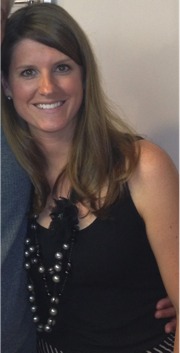
We interviewed Kristin Kennedy, a fourth grade teacher in Chicago’s suburbs. Kristin graduated from Elmhurst College with a Bachelor of Arts (BA) in Elementary Education and a reading teacher endorsement. She has taught fifth and first grades and this interview took place during her first year working as a fourth-grade teacher. In the interview, Kristin discussed how she uses her blog as a tool to communicate with families, the strategies she uses to prepare fourth-grade students for significant transitions, and her advice for striking a healthy balance between one’s personal and professional lives.
What techniques do you use to create a harmonious work and life balance?
It’s definitely not easy achieving that work/life balance, but it’s necessary in order to be the best teacher you can be, and also to prevent burnout. Over the years, I’ve learned that it’s impossible to accomplish every item on my daily to-do list, so I try to prioritize what absolutely has to get done. There will always be something left over for the next day and that’s okay.
I also try to have some ‘me time’ every night, whether it’s reading, watching TV, or relaxing with my husband. I also try to make exercising and eating right a priority because it helps keep my energy levels up and stress levels down.
How do you use your blog as a tool to communicate with parents and better involve them in the classroom?
Since parental involvement is essential to student success, communicating with parents is a top priority for me. I use my classroom website to keep parents up-to-date about not only what’s coming up, but also what we’ve been doing and learning in the classroom. Posting upcoming events and ‘Mystery Reader’ sign-up forms, for example, has helped me get more parents involved in school and classroom events.
Ever since I started posting websites and other resources for parents to use to help their children at home, the amount of practice my students get at home has drastically increased. At home, my students love to go on the same practice websites we use at school so I make sure to send home username/password cards for various sites they are registered for.
How do you use technology as a tool for learning in your classroom? Specifically, can you explain the 1:1 MacBooks program that you piloted?
Last year, I had the opportunity to pilot 1:1 MacBooks with my first-grade class, which means that each of my first graders had their very own MacBook laptop. I now teach fourth grade and my class of 28 has 1:1 MacBooks as well. I also have a SMARTBoard and five iPads to share amongst my students. Because of this new technology, my teaching practices and philosophy have been completely transformed, as has my passion for teaching.
I utilize guided groups and the Daily 5 in my classroom. Since my district’s reading and math programs are 100% digital, I can assign specific online games, activities, and leveled readers to students of varying ability levels. Therefore, while I’m meeting with small groups, the rest of my students are engaged in meaningful activities geared toward their specific learning needs.
Having 1:1 laptops has allowed me to personalize instruction like I never could before. I see such a drastic increase in the levels of engagement my students exhibit, which to me is one of the major benefits of technology. Children learn differently than they did just several years ago, and it’s important that we recognize that.
Was there a particular person or experience that inspired you to become a teacher?
When I was in high school, I participated in an exploratory program for which I traveled to the local elementary school to help out in a first-grade classroom. It was then that I fell in love with teaching and knew that that was what would make me happy. I have had tremendous mentors throughout my journey of becoming certified and to this day they still have a strong influence on my teaching philosophy and practices.
Can you share any words of wisdom for teachers who are thinking about starting a blog? What essential components or features should be included on a blog?
My advice is to go for it and just dive in headfirst—you will be amazed at where it will take you. To me, the most essential component of a blog is to make it unique to yourself and speak from your heart. Also, joining ‘link parties’ has helped me connect with some amazing bloggers with similar interests as myself.
How do you prepare and empower fourth graders for the significant transitions that are just around the corner in middle school and beyond?
First and foremost, I strive to foster a passion for lifelong learning in each of my students through meaningful and authentic learning experiences. Technology helps tremendously to bring the real world into the classroom. Another priority for me is developing independence and critical thinking skills, which will be crucial in middle school as well as the working world. Collaboration and communication are two other critical areas I focus on. I utilize online discussion boards and private chat rooms and have students collaborate on projects often involving technology. Since technology is changing at such a rapid pace, I try to expose my students to many different types of computer programs and Web 2.0 tools to help prepare them for what lies ahead.
We sincerely thank Kristin for setting aside the time to share her invaluable advice. Visit her TeachersPayTeachers for more teaching inspiration and ideas incorporating math and technology in the classroom.
Read about how to become a teacher in Illinois.
Interview with Krista Wallden, Delaware Third Grade Teacher
We had the opportunity to interview Krista Wallden, a third grade teacher in Delaware. Krista attended Pennsylvania State University for both her undergraduate and graduate coursework. She earned a bachelor’s degree in kindergarten and elementary education, and a minor in special education. Her master’s degree studies focused on curriculum and instruction with an emphasis in children’s literature. During our interview, we discussed the online tools that Krista uses to manage her classroom, the aspects of teaching that she finds to be the most stressful, and finally, the sources from which she draws creative inspiration.

What characteristics of primary students do you appreciate the most and what inspired you to teach this age group?
I love the children’s curiosity at this age! They look at the world with such energy and excitement – it is refreshing to have a career where this surrounds me every day. When my kiddos come bounding through the door in the morning, I wake right up with their energy. In third grade, the children are starting to develop great senses of humor, which I absolutely love! You never know what will come out of their mouths and it makes everyday unpredictable.
What aspects of your job do you find to be the most challenging or stressful?
Time is definitely my biggest challenge. I always think that if there was a way to extend the day by five hours, I would have no problems! Because I love what I do and I love my students, it’s hard for me to draw the line when it comes to creating tons of lessons and pouring myself into work. When I think of an instructional approach or materials that I know my students will love and understand, I create it, regardless of the extra time it takes. If I am not excited about teaching the lesson, I can’t expect my students to be excited to learn.
Can you recommend strategies or techniques for teachers who are striving to be lifelong learners?
Be willing to embrace change! Education and instructional approaches are always changing – sometimes for the better, other times, maybe not. However, being able to welcome the exciting possibility of helping students in new ways is so important. Give new strategies and curriculum a fair try – you never know, it could turn on that little light bulb for your struggling learner.
Online networking and collaboration is another huge way to continue to learn and improve as a teacher. Teacher blogs, forums, and educational websites have completely transformed my ideas and scope of teacher collaboration. This past August I started my own blog, The Creative Chalkboard, to join the teacher network and share ideas. Collaborating with teachers all over the world has been a huge source of support, inspiration, and knowledge. New and veteran teachers alike can learn so much from the perspectives of other teachers. Blogging with teachers who share my creative energy for teaching has been so helpful and fun!
What online tools have you found to be the most helpful for managing a classroom?
Hands do…teacher blogs. I cannot say enough about the benefits of connecting with other educators. Teacher blogs have been extremely helpful to jumpstart my own creative ideas, but also to show me tips and tricks which have saved me so much time and energy. Teacher blogs are much more than posts about bulletin boards and crafts. Teachers are offering instructional strategies, free resources, helpful tips on organization, product reviews, book reviews and so much more. They are designing and offering resources that are connected to standards, are classroom tested and have been given the ‘student stamp of approval.’ Not only are the insights and tips amazing, but finding other bloggers who can relate to your passion for teaching…and your unquestionable need for a gigantic morning coffee… is equally important.
What techniques do you use to create a successful work and life balance?
Creating a balance is probably the most difficult part of teaching. It is very easy to let work consume your life when you want to give 110% to your little learners. After having a severe lack of balance between work and life in the past, I can tell you that it really is important to maintain. Here are a few tips that have helped me:
- Set a time to leave school. It doesn’t have to be the same every day, but look at what you need to get done after the kids leave and set a time. I have found that I am much more productive after school when I have a targeted time of departure.
- Don’t feel guilty for making time for yourself. I used to think that taking an hour out of my evenings to work out was an hour I could be spending making a more creative lesson plan or getting ahead on grading, etc. In all actuality, taking an hour to relax, workout, work on a hobby or spend time with family is going to help your students just as much. You will be more refreshed and come into the classroom in better spirits when you have that good balance.
The Creative Chalkboard focuses on infusing a classroom with creativity. Can you tell us how you keep your creative energy levels going? Where do you find your inspiration?
Creativity has always been what keeps me running, even when the stress and workload of teaching is weighing pretty heavy. Thinking of a new way to present information or a hands-on approach to learning reminds me of why I love teaching. I keep my creative energy going by always being on the look-out for classroom tools in disguise. My favorite thing is to go to the Dollar Store and find a random item that triggers an idea for a purposeful lesson. Last week I was looking for a way to teach my kiddos to use descriptive language in their writing. After a trip to the Dollar Store, I created an entire writing lesson based on one of those little plastic animals that grows 600% in size when you put it in water. Seeing how much my kids loved the activity and really grasped the concept keeps my creative energy going for the next ‘tool in disguise.’ I’ll be posting my Descriptive Details lesson on my blog soon – so if you’re looking for your students to ‘expand’ their writing, check back for it!
Can you share any words of wisdom for individuals considering a career in the field of early childhood education?
Teaching can be one of the most rewarding and energizing careers. Never lose sight of the kids that drew you to this career. When we forget the human aspect of teaching and get bogged down by the pressures of testing, standards, and curriculum, we are forgetting about the needs of our learners. Let your dedication to helping your students succeed drive your energy for the rest. If you do this, you will have a fantastic and wildly exciting road ahead of you
We thank Krista for taking the time to share her insight into the world of teaching. Be sure to check out her Teachers Pay Teachers page for more creative teaching inspiration.
Read about how to become a teacher in Delaware.
Interview with Christi Fultz, Former Indiana Third Grade Teacher
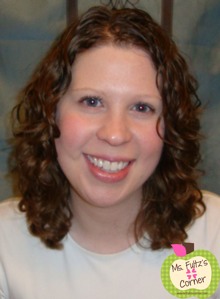
We had the opportunity to interview Indiana teacher Christi Fultz, a veteran of the third grade classroom. Christi earned a bachelor’s degree in elementary education, and after teaching for several years, she returned to school to earn a master’s degree as well as an all grades reading specialist license. Since the time of the initial interview below, Christi has pivoted to providing web design and branding support for educators. During our conversation, we discussed Christi’s motivation for becoming a teacher, her advice for teachers who are considering starting a professional blog, and how she incorporates technology into her classroom.
Was there a particular person or experience that inspired you to become a teacher?
This is going to sound so cliché, but I wanted to be a third-grade teacher because of my own third grade teacher. Mrs. Martin was the best teacher I ever had. She took us on safaris around the playground, loved us to death, and pushed us to always get better. I earned my very first (and one of the only!) B’s in her class and will never forget it. I worked my tail off to get back up to an A because she knew I could do it and I didn’t want to let her down. She knew what teaching was really about and I wanted to be just like her.
What characteristics of third graders do you appreciate the most? What makes them unique from other age groups?
Third grade has always been my favorite. I love the ‘in the middle’ stage where the students have both primary and intermediate qualities. They’re old enough to have some independence but young enough to still enjoy all of our seasonal projects and thematic units. It’s also a year where I get to see tremendous growth. They still like giving hugs too!
What techniques do you use to create a harmonious work and life balance?
I try to use my planning time wisely at school, even though there never seems to be enough of it. I’m super organized and I stay a week ahead in my lesson plans. This makes adjusting to unexpected events in my personal life easier if I need a last-minute substitute. I’ve also learned that it’s okay to say no sometimes to being on that extra committee or volunteering to work another after-school event. We deserve to have a life outside of our classroom responsibilities, too. My husband is also very understanding of the demands of teaching and often chips in to cut out lamination or decorate bulletin boards over the summer. It takes a while, but you’ll find a balance.
How do you use technology as a tool for learning in your classroom?
I think the biggest new way I’m using technology happens outside the classroom. The teacher-blogging world has exploded and there are so many ideas out there for new teachers and experienced teachers alike. Our classrooms might be far away, but that doesn’t mean we can’t share ideas, network with each other, and provide stronger learning opportunities for our students because of it. The interactions I’ve had because of my blog are the best professional development I’ve experienced in my entire teaching career.
Inside the classroom, I use computers often. Research, centers, online games for content, even just word processing can be so much more motivating and engaging on a computer. We’re lucky enough to have two desktop computers and two netbooks to share in our classroom and eight iPads are on their way soon. I also can’t imagine going back to the days of teaching without a document camera and an overhead projector for it and the computer. It’s so much easier to show the details during whole class instruction when you can project the work.
Can you share any words of wisdom for teachers who are thinking about starting a blog? What essential components or features should be included on a blog?
Blogging can be intimidating at first. It takes a little while to gain followers and find your niche. I joke that I was talking to myself for the first month, but stick with it. Follow other bloggers around your grade level, comment on their blogs, join ‘linky parties,’ and most importantly write strong content to share your wonderful ideas. Our little community is so supportive and you will wonder what you ever did before you started blogging. The most important thing, even if you’re writing anonymously, is to show yourself in your blog so we can connect with you. Don’t forget to add follower options so we can always find your new content too!
What advice can you share with someone who is considering becoming a teacher?
Don’t let anyone tell you it’s an easy job because I can promise you, it isn’t. I’ve yet to have one of those magnificent ‘summers off’ I keep hearing about. And honestly, the pay isn’t great but the rewards of teaching more than make up for it. I’d also recommend getting into the classroom early and often. It’s very different being the teacher than it was being a student. Your heart has to be in teaching. Above all, you have to just love kids… even the challenging ones, because they often need it the most.
We sincerely thank Christi for sharing her candid insight about what it’s like to be a teacher, and we wish her well as she incorporates new technological gadgets into her classroom this year. Be sure to check out Christi’s blog, Ms. Fultz’s Corner, for lesson-plan freebies and more teaching inspiration. You can also follow her on LinkedIn and X.com.
Read about how to become a teacher in Indiana.
Interview with Sarah Moellering, Missouri Second Grade Teacher
We interviewed Sarah Moellering, a second grade teacher in St. Louis, Missouri. Sarah attended the University of Dayton where she earned a BS in Early Childhood Education, and a minor in business administration. She is currently pursuing an M.Ed in Elementary Education, along with a reading specialist certification. During our interview, we discussed Sarah’s recommendations for being a lifelong learner, the online tools that she uses to manage her classroom, and how she regularly generates creative ideas for her classroom.

You have experience teaching both first and second grade. How are the age groups different?
First graders are right on the brink of everything when they enter your room. Socially, they are used to being in school, and they are eager and excited about jumping right into learning. Academically, they are right at the beginning of becoming lifelong readers, have a good base of mathematical skills, and have all the tools to become a successful writer. I cannot express how rewarding it is to see your students grow so much in one year!
Even though I have not taught second grade for very long, I can already tell how exciting it is going to be. Second graders are smart and funny, and are really starting to come into their personalities and be their own people. These kids can write their own books, read chapter books, do complex math problems and so much more! They have the ability to do so much more being just one year older.
What aspects of your job do you find to be the most challenging or stressful?
I think one of the most challenging aspects of my job is time management. It is very stressful going through the process of trying to figure out what things are the most important. Sometimes it can seem like everyone is pulling you in a different direction or you can get bogged down with little things. I try to remind myself every day that I became a teacher to help students grow, and the most important thing for me to do is be the best teacher I can be for them.
Can you recommend strategies or techniques for teachers who are striving to be ‘lifelong learners’?
I think that it is very important for teachers to become lifelong learners. Education is such an ever-changing field, and the things that are considered best practice will change from year to year. It is so important for teachers to develop themselves professionally so that students can be taught in a way that is most developmentally appropriate.
First, I would suggest choosing one professional book to read per semester (fall, spring, and summer)! I know that they are not as fun during college, but once you are actually implementing learning strategies and behavioral management plans in your classroom, you will take any ideas you can get! I have not read a bad book yet.
Second, attend as many professional development opportunities as you can! Schools are always offering opportunities to attend workshops and classes, some of which you can actually get college credit for as an added bonus. I recently went to a training workshop on a technique called visual phonics, and I am using the techniques with my English for Speakers of Other Languages (ESOL) students.
What online tools have you found to be the most helpful for managing a classroom?
My life is on Google, and I use Gmail, Google Docs, Google Calendar, etc. My blog is even connected. I love that everything is in one place so that there is absolutely no way I can lose it! Google Docs is a phenomenal resource that allows you to upload and share documents with other people. I use this to share lesson plans and activities with my teammates, as well as share freebies on my blog. Finally, Google Calendar helps keep me organized, both in and out of school.
What techniques do you use to create a successful work and life balance?
It’s definitely not easy. Last year, which was my first year of teaching, I was repeatedly told to stop working so hard. I would get to school at 7:00 AM every day and not leave until 6:00 PM. It was too much! It is very tempting, and sometimes necessary, to want to work all the time to make your classroom the best it can be, but you must make time for yourself and your family. Sometimes, you just need to leave something unfinished until the next day. Even though it will drive you crazy, it will still be there waiting for you tomorrow.
This year, I made sure that I set boundaries for myself. I only get to school 30 minutes before school starts and stay 30 minutes after school is over. I do not bring work home with me unless it is a special circumstance. The only days I can work on school stuff at home are Thursdays for lesson planning, and Sundays to prepare for the week.
Also, make sure you use your school resources. If someone offers to help you, take them up on it! Teacher assistants, building assistants, parents, and instructional coaches are all there to help make your life as a teacher easier. Let them help you! It makes it much easier to create a balance so you don’t feel like you are alone!
Your blog offers many creative ideas for running a classroom. Can you tell us how you keep your creative energy levels going? Where do you find your inspiration?
I can honestly say I get my inspiration from my kiddos! At the beginning of the year, I ask the kids what they are interested in. This could be anything from volcanoes and chapter books to Angry Birds and princesses. When I plan my learning experiences, I try to integrate their interests as often as I can! Last year, my first graders loved the crafty stuff! Making glyphs, art projects, and using paint and glitter were big crowd pleasers. Because those were the things that they liked, that is what I planned. This year, it looks like these second graders are big into movement! So it looks like I will be planning lots of songs and dances.
Can you share any words of wisdom for individuals considering a career in the field of early childhood education?
Enjoy it and have fun! There are so many reasons for teachers to feel bogged down: standardized testing, assessments, teaching based on the standards and more, but there is no better feeling than seeing the look in a child’s face when that light bulb goes on. It makes everything worth it! Knowing that you are making a real difference in a child’s life and watching the child grow in front of you is the most wonderful feeling. There are not many jobs out there that you can find where you get to affect the lives of so many others. These little guys truly love and trust you with all their heart. I am not ashamed to say that I cry on the last day of school right along with the kids!
It’s hard to believe that I get to wake up every day and absolutely love what I do! All I can say is keep at it! I know you will too.
We thank Sarah for taking the time to share her insights into the teaching profession. Be sure to visit Sarah’s Teachers Pay Teachers page for more inspiration and classroom ideas.
Read about how to become a teacher in Missouri.